

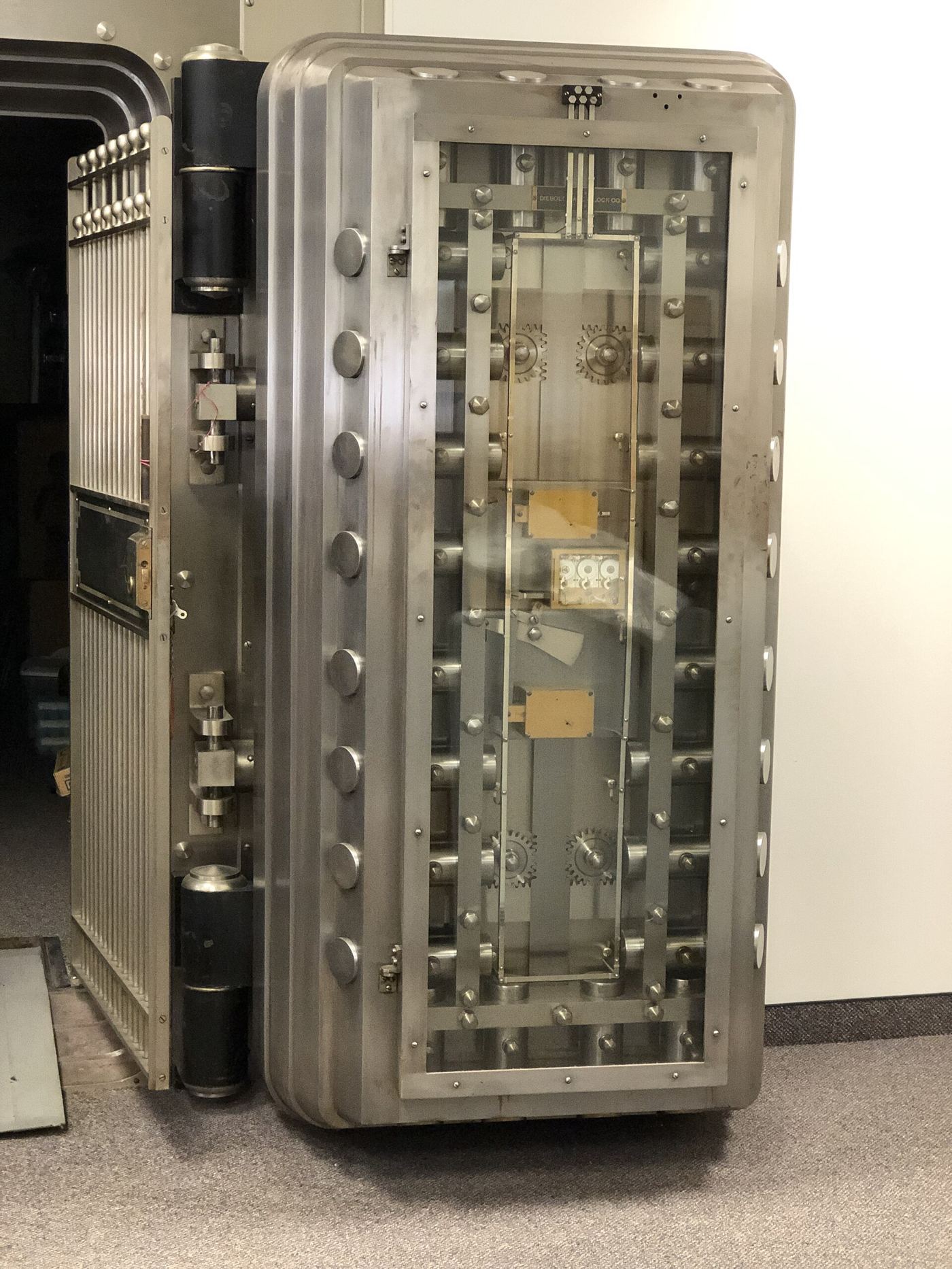
Families keep some of their most important information in the least secure places: wills in a kitchen drawer, insurance details in an old email account, and passwords scribbled on notes or reused across a dozen websites. Digital vaults aim to fix that by storing encrypted copies of documents and logins in one protected place, accessible to the owner and, with permission, to trusted family members. Many services now include emergency access, so a nominated relative can reach essential information if the owner falls ill or dies, after a waiting period that guards against misuse. Financial advisers say the idea is catching on with older users in particular, who want their affairs in order without handing over paper folders. The vaults do not replace lawyers or proper estate planning, but they give families a single, organised place to start from when it matters most.
What the Evidence Shows
Security rests on strong encryption and a single master password, which is why experts stress that the master password must be unique and kept somewhere safe, such as written down and stored with a solicitor. Choosing a provider deserves care: users should check how data can be exported if the company closes, whether the service has been independently audited, and what happens to access after the owner dies. Some families combine a vault with a paper backup of the most critical documents, so a forgotten password or a company failure does not lock them out entirely. Consumer groups expect the market to grow as more of life moves online, but they warn that no vault is safer than the habits around it, and that sharing the master password casually defeats the purpose. Reporting and analysis from sources such as MIT Technology Review track the same developments, and specialists following the family digital vault say the direction is now consistent across independent lines of evidence.
The Wider Context
The wider context is an industry learning to ship capability and restraint together. Products built around the family digital vault now launch with safety evaluations, usage data and rollback plans as standard, because enterprise buyers and regulators ask for them in the first meeting. Companies that treated those questions as friction are discovering they have become the purchase criteria.
What Happens Next
What happens next for the family digital vault depends less on another breakthrough than on the unglamorous work of reliability, pricing and support. The buyers evaluating it now are not enthusiasts; they are operators with budgets and auditors, and their checklists will decide the timeline. On the evidence of the current pilots, the technology has earned the right to be judged by them. You can follow related developments in our coverage of technology.
There is a practical lesson in all of this for readers deciding what to do today. Start with the verified facts, be wary of anyone promising certainty, and prefer reversible steps while the evidence is still developing. Circumstances differ by country, income and personal situation, so general guidance should always be weighed against your own context before you act on it in any significant or lasting way.
